Find interior bathroom sliding glass door with detector for bedrooms, entryways, and sitting rooms
Source 30 verified options for an interior bathroom sliding glass door with detector featuring frosted glass, solid wood construction, and classic styling. Buyers can compare specifications including certifications, delivery times, and customization availability for bedrooms, entryways, and sitting rooms.
Key considerations
Products List


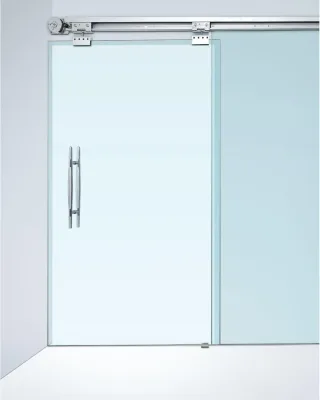


Comprehensive Sourcing Guide
Strategic Sourcing Guide for Interior Bathroom Sliding Glass Doors with Detectors
Procuring interior bathroom sliding glass doors equipped with detector technology requires a nuanced understanding of material specifications, safety compliance, and integration capabilities. The intersection of sliding mechanisms, glass performance, and electronic detection systems creates a complex procurement landscape where buyers must distinguish between generic door components and specialized safety solutions. This guide synthesizes observed market data and technical attributes to provide a disciplined framework for evaluating suppliers and products that meet the rigorous demands of modern bathroom environments.
Technical Specifications and Material Composition
The foundation of a reliable interior sliding glass door lies in its structural composition and material integrity. Based on observed product attributes, the core of these doors often utilizes chipboard or solid wood frames, with the door skin constructed from MDF or plywood. This combination ensures dimensional stability while allowing for the application of various veneers. Buyers should verify that the inner frame is constructed from finger-jointed wood or LVL (Laminated Veneer Lumber), as these materials offer superior resistance to warping compared to solid timber alone, which is critical in high-humidity bathroom settings.
The glass component is equally critical. The market offers a diverse range of glass types, including frosted glass for privacy, as well as functional variants such as heat-absorbing, heat-reflective, low-E, and insulated glass. For a bathroom application, the "Frosted Glass" attribute is frequently observed, providing necessary privacy while allowing light transmission. However, the presence of a detector system necessitates a specific glass structure. The observed data indicates that the glass may be processed through the float process, with surface states described as "Floats Law Glass" or "Thick Sheet Glass." When integrating a detector, the glass must be capable of withstanding edge grinding, tempering, and potentially hot bending without compromising the sensor's alignment or the glass's structural integrity.
The sliding mechanism itself is defined by the "Open Style" attribute, which explicitly lists "Sliding" as a primary configuration. This contrasts with swing doors, which are also available but do not meet the specific spatial constraints of many modern bathrooms. The hardware suite typically includes door locks, handles, and hinges, though for sliding doors, the focus shifts to track systems and rollers. The "Special Function" attribute explicitly mentions "Detector," indicating that the door system is designed to integrate with safety or automation sensors. Buyers must ensure that the "Handle Position" and "Opening Direction" (observed as "Inward" in some contexts) align with the specific bathroom layout and the placement of the detector unit.
Compliance, Certification, and Safety Standards
Navigating the regulatory landscape for bathroom doors requires strict adherence to international and regional standards. The observed product data highlights several key certifications, including ISO, CE, BSI, ASTM, and CCC. These certifications are not merely marketing labels but indicate that the product has undergone specific testing for safety, quality, and environmental impact. For instance, the CE mark is a mandatory conformity mark for products sold within the European Economic Area, while ISO certification (specifically ISO9001) suggests a standardized quality management system.
When dealing with glass doors that include detectors, the compliance requirements expand to include electrical safety and fire resistance. The data references standards such as EN14449 and SGCC Z97-01, which are relevant to glass safety and construction. Additionally, the "Standard" attribute lists dimensions like 210090040mm, which buyers should verify against local building codes. While some sources mention EN 16005, this is a background standard for door hardware and should be verified for specific applicability to sliding mechanisms.
The detector function adds a layer of complexity regarding electrical safety. Buyers must confirm that the detector system complies with relevant electrical standards, even if the primary door certification focuses on mechanical and material properties. The "Certificate" attribute lists "Ce, Bsi, ASTM, etc," suggesting a broad compliance portfolio. However, procurement teams must request specific test reports for the detector integration to ensure that the electronic components do not pose a shock hazard in a wet environment. The "After-Sale Service" attribute mentions "Online Technical Support Return and Replacement," which is a crucial indicator of a supplier's commitment to resolving compliance-related issues or product failures.
Cost Drivers and Pricing Dynamics
The pricing of interior bathroom sliding glass doors with detectors is influenced by a multitude of factors, ranging from raw material costs to the complexity of the electronic integration. The observed price range in the market spans from 5 to 190 USD, a wide variance that reflects differences in material grade, glass thickness, and the sophistication of the detector system. The "Product Material" is listed as "Solid Wood" in some contexts, which typically commands a higher price point than composite materials like chipboard or MDF. Similarly, the "Veneer Type" plays a significant role; premium woods like Mahogany, Walnut, and Cherry will increase the cost compared to Oak or Ash.
The detector system itself is a primary cost driver. Unlike standard doors, a unit with a built-in or integrated detector requires additional engineering, wiring, and quality control. The "Special Function" attribute confirms the presence of detectors, but the specific type (e.g., motion, proximity, or safety sensors) is not detailed in the general data. Buyers should expect that doors with advanced features like "Sound Insulation," "Extreme Clear," or "Heat Insulation" will also carry a premium. The "Thickness" of the glass, described as "Thick Sheet Glass," further contributes to the overall cost, as thicker glass requires more robust framing and handling.
Minimum Order Quantity (MOQ) is another critical factor affecting the unit cost. The observed MOQ range is 1 to 500 units. For buyers seeking custom solutions or small-scale renovations, an MOQ of 1 is advantageous, though the unit price may be higher. Conversely, bulk procurement with an MOQ of 500 can significantly reduce the per-unit cost. The "Payment" terms, observed as T/T (Telegraphic Transfer) and L/C (Letter of Credit), also influence the financial dynamics of the transaction, with L/C offering more security for large orders but potentially incurring higher banking fees.
Typical Applications and Functional Requirements
The primary application for these doors is clearly defined as "Interior," specifically for "Bedroom, Sitting Room, Entry, and Bathroom." The bathroom application presents unique challenges due to the high humidity and frequent water exposure. The "Surface Finishing" is noted as "Finished," which implies a protective coating to resist moisture damage. The "Door Surface" materials, including Veneer and Melamine, are selected for their durability and resistance to warping in damp conditions.
The "Detector" function suggests applications beyond simple access control. In a bathroom context, detectors may be used for safety monitoring, such as detecting if a door is left open for an extended period, or for automation purposes, such as triggering ventilation fans or lighting when the door is opened. The "Function" attribute lists various glass capabilities, including "Decorative Glass," "Acid Etched Glass," and "Bulletproof Glass," though the latter is likely an outlier for standard residential bathrooms. The "Feature" list includes "Sound Insulation," which is highly desirable in bathrooms to maintain privacy and reduce noise transmission.
The "Usage" attribute broadens the scope to include "Furniture, Door, Building, and Window," indicating that these products are versatile components of a larger construction system. For bathroom installations, the "Glass" attribute confirms the presence of glass, which is essential for the aesthetic and functional requirements of the space. The "Style" is described as "Classic Style," but the "Customization" attribute is marked as "Available," allowing buyers to adapt the design to modern or contemporary bathroom themes.
Supplier Evaluation and Quality Control
Selecting a reliable supplier is paramount when dealing with specialized products like sliding glass doors with detectors. The "Location" attribute identifies "Zhejiang China" and "China" as the primary origins, suggesting a concentration of manufacturing capabilities in this region. Buyers should verify the supplier's production capacity and their ability to meet the "Delivery" time of 30 days or the "Delivery Time" of "Within 2 Weeks" for specific orders.
Quality control should be a central part of the evaluation process. The "Workmanship" attribute mentions "Molding machinery," indicating an automated production process that can ensure consistency. The "Forming" process is described as "Float Process," which is standard for high-quality glass. However, buyers must request evidence of the "Processing" steps, such as "Edge Grinding," "Grilling," "Hot Bending," and "Tempering," to ensure the glass meets safety standards. The "Grade" is listed as "Excellent Grade," but this is a self-reported claim that should be validated through third-party testing.
The "Product Packing" is described as "Pallets" or "Packed with Carton and Pallet," which is essential for protecting the glass and detector components during transit. Buyers should inspect the packing specifications to ensure that the detector units are shielded from physical shock and moisture. The "After-Sale Service" of "Online Technical Support Return and Replacement" is a strong indicator of a supplier's confidence in their product and their willingness to support the buyer post-delivery.
Long-Term Procurement Considerations
Sourcing interior bathroom sliding glass doors with detectors is not a one-time transaction but a long-term partnership that requires careful planning. The "Customization" availability allows for future modifications, but buyers must ensure that the supplier can support these changes over the product's lifecycle. The "Standard" dimensions, such as 45X914X2032 or customized sizes, should be considered in the context of future renovations or expansions.
Maintenance is a key consideration for doors with detectors. The "Special Function" of the detector implies the need for periodic checks to ensure the sensor remains calibrated and functional. Buyers should inquire about the availability of replacement parts for the detector system and the ease of accessing the internal components for maintenance. The "Payment" terms and "Lead Time" should be factored into the procurement strategy to avoid supply chain disruptions.
Finally, the "Feature" set, including "Sound Insulation" and "Heat Insulation," contributes to the long-term energy efficiency and comfort of the building. Buyers should evaluate the supplier's commitment to sustainability and their ability to provide products that meet evolving environmental standards. By focusing on these long-term factors, buyers can ensure that their investment in interior bathroom sliding glass doors with detectors delivers value and performance over many years.
Comparative Analysis of Product Attributes
To facilitate a clearer understanding of the available options, the following table summarizes the key attributes observed in the market data. This comparison helps buyers quickly identify products that align with their specific requirements for bathroom applications.
| Attribute Category | Observed Options | Relevance to Bathroom Application |
|---|---|---|
| Open Style | Swing, Sliding | Sliding is preferred for space-saving in bathrooms. |
| Glass Type | Frosted Glass, Clear, Decorative, Acid Etched | Frosted provides privacy; Clear/Decorative for aesthetics. |
| Material | Solid Wood, MDF, Plywood, Chipboard | Solid Wood/LVL for durability; MDF/Plywood for stability. |
| Detector | Special Function: Detector | Essential for safety and automation integration. |
| Certification | ISO, CE, BSI, ASTM, CCC | Ensures safety and compliance with international standards. |
| Surface Finish | Finished, Veneer, Melamine | Protects against humidity and moisture damage. |
| Delivery Time | 30 Days, Within 2 Weeks | Affects project scheduling and inventory management. |
| MOQ | 1 to 500 | Influences unit cost and order feasibility. |
This table highlights the diversity of options available to buyers. While the "Sliding" style and "Detector" function are critical for the core keyword, the choice of material, glass type, and certification must be tailored to the specific bathroom environment and safety requirements. By carefully evaluating these attributes, buyers can make informed decisions that balance cost, quality, and functionality.
FAQs
What certifications do interior bathroom sliding glass doors with detectors have?
These doors typically carry ISO, CE, BSI, and ASTM certifications. Buyers should verify specific test reports for the detector integration to ensure electrical safety in wet environments.
Can I find sliding glass doors with detectors made of solid wood?
Yes, solid wood is an observed product material for these doors. The frame often uses finger-jointed wood or LVL to resist warping in high-humidity bathroom settings.
How long is the delivery time for these specialized doors?
Delivery times range from within two weeks to thirty days depending on the order. Buyers should confirm specific lead times with suppliers as customization affects the schedule.
Which glass types are available for bathroom sliding doors with detectors?
Available glass types include frosted, heat-absorbing, low-E, and insulated glass. The glass is often processed via the float process and may be tempered for safety.
What is the minimum order quantity for these doors?
The minimum order quantity ranges from one to five hundred units. Smaller orders may have higher unit costs, while bulk purchases can significantly reduce the price per unit.
Where are these doors typically manufactured?
Manufacturing origins are primarily located in Zhejiang, China. Buyers should verify the specific factory location to ensure compliance with shipping and quality expectations.
Can these doors be customized for specific bathroom layouts?
Customization is available for dimensions and veneer types like oak or walnut. Standard sizes exist, but buyers can request tailored solutions to fit unique interior requirements.